
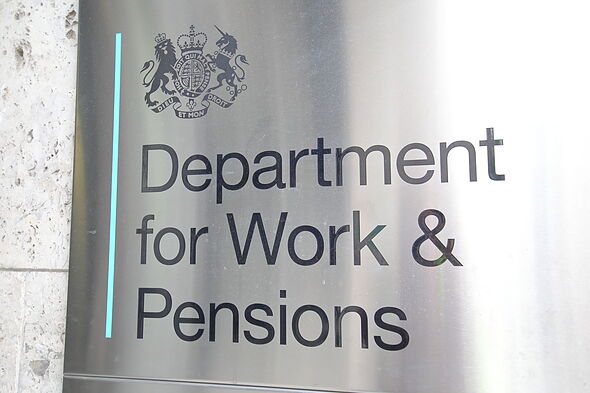
Millions of people receiving benefits in the UK could have their bank account details checked under new powers given to the Department for Work and Pensions (DWP).
The government has introduced new rules that allow the DWP to request certain information directly from banks and other financial institutions without first asking benefit claimants for permission.
The changes could affect people receiving Universal Credit, Pension Credit and New Style Employment and Support Allowance (ESA).
However, the DWP has made it clear that the new powers do not mean government officials can log into people’s bank accounts or monitor everything they spend their money on.
So, what exactly has changed, what information can banks share, and what should benefit claimants know?
DWP Gets New Powers to Check Bank Accounts
The new powers are part of a system known as the Eligibility Verification Measure (EVM).
Under the new rules announced on Tuesday, October 13, banks and other financial institutions can be required to share certain information with the DWP to help identify benefit payments that may be incorrect.
The aim is to find cases where someone may be receiving benefits they are no longer entitled to, or receiving more money than they should.
For example, some benefits have rules about how much money a person can have in savings. If someone’s savings go above the allowed limit, it could affect how much they receive.
The new system is designed to help the DWP identify accounts that may need further checks.
Importantly, being identified for a check does not automatically mean someone has committed benefit fraud.
What Information Can the DWP Get From Your Bank?
One of the biggest concerns for benefit claimants is how much personal information the government will be able to see.
According to the DWP, the new powers allow it to obtain certain bank account details, including:
The name of the account holder.
The bank account number.
The amount of money held in the account.
The dates of certain transactions involving another country.
This means the DWP could receive information about someone’s savings without needing that person’s permission first.
However, there are important limits on what the department can access.
Can the DWP See What You Spend Your Money On?
The DWP says it cannot see everything happening inside a person’s bank account.
It has explained that the new powers do not allow officials to access full bank statements or view a complete history of transactions.
The department also says it cannot:
- Log into someone’s online banking account.
- Watch their bank account in real time.
- See exactly what they spend their money on.
- Identify the specific locations of individual transactions.
- Obtain sensitive personal information, such as religious beliefs or political opinions.
This distinction is important because the new rules are about checking benefit eligibility rather than giving the DWP unrestricted access to people’s financial lives.
Which Benefit Claimants Will Be Affected?
The new bank account checking powers cover three major benefits.
Universal Credit: This benefit helps people on low incomes or those who are out of work. Savings and other changes in financial circumstances can affect how much someone receives.
- Pension Credit: This provides extra financial support to eligible people who have reached State Pension age and are on a low income.
- New Style Employment and Support Allowance (ESA): This benefit supports eligible people whose health condition or disability affects their ability to work.
People receiving these benefits should make sure the information they have given the DWP is accurate and up to date.
The new checks do not mean that everyone receiving these benefits has done something wrong or will automatically lose their payments.
DWP Warns Claimants to Report Changes in Circumstances
Alongside the announcement, the DWP reminded benefit claimants that they must report changes that could affect their payments.
This could include changes to their income, savings, employment or living arrangements, depending on the benefit they receive.
Failing to report an important change could lead to someone receiving more money than they are entitled to.
The DWP has warned that people who provide incorrect or incomplete information, or fail to report relevant changes, may be required to repay money they should not have received.
In more serious cases, they could also face prosecution.
However, not every incorrect payment is fraud. Mistakes can happen, and the circumstances of each case matter.
The safest approach is to report relevant changes as soon as possible rather than waiting for the DWP to discover them during a check.
What Happens If the DWP Contacts You?
Some claimants may be contacted if the DWP needs more information about their circumstances.
People who use an online benefits account may receive a message through their online journal.
Others could be contacted by telephone, letter or text message.
The DWP has advised claimants to respond quickly to genuine requests for information.
Ignoring a request could lead to delays or interruptions to benefit payments.
Anyone who receives an unexpected message asking for bank details should also be careful. Fraudsters sometimes pretend to be government departments to steal personal information.
If you are unsure whether a message is genuine, contact the DWP through its official GOV.UK contact details rather than using a suspicious link.
Who Will Make Sure the DWP Uses These Powers Properly?
The government has also announced safeguards intended to prevent the new powers from being misused.
An independent reviewer will examine whether the DWP, banks and other financial institutions are following the law when using the new system.
The reviewer’s findings will be presented to Parliament.
This oversight is intended to help ensure that the checks are carried out legally and that people’s personal information is protected.
What Should You Do If You Receive Benefits?
For people claiming Universal Credit, Pension Credit or New Style ESA, the most important thing is to make sure their benefit information is correct.
If your income, savings or personal circumstances have changed, check whether you need to report the change.
You can find information about reporting changes on the official GOV.UK website.
There is no need to assume that your benefits will stop simply because the DWP has been given these additional powers.
The checks are intended to identify possible incorrect payments, and further investigation may be needed before any decision is made.